
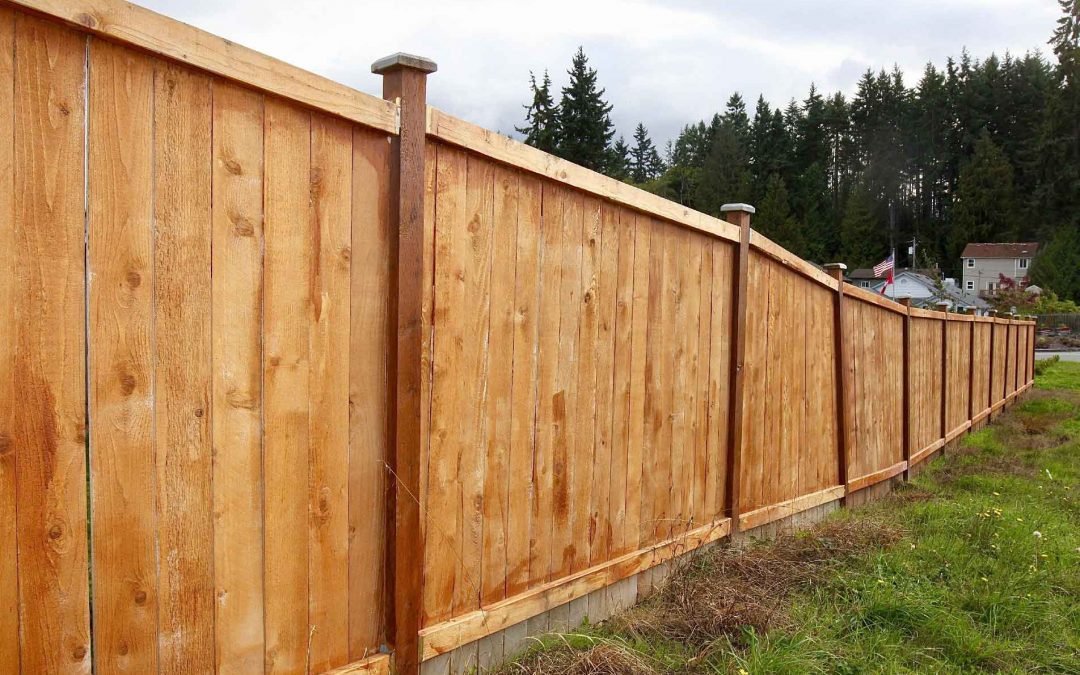
A garden fence has one job: to still be standing straight, square, and secure after the next winter storm. In Harlow, whether it manages that comes down to what happens below ground how the posts are set far more than the panels you see on top. PMB Paving & Landscapes supplies and installs closeboard, panel, composite, and decorative fencing across Harlow, Old Harlow, Church Langley, Newhall, Potter Street, and the surrounding Essex area properly concreted, correctly heighted, and built to last. This in-depth guide covers 2026 costs, the fence types that genuinely suit Harlow gardens, the planning and boundary rules that trip people up, how we engineer fences for local ground and wind, and how to make a new fence last for fifteen years or more. By the end you’ll know exactly what to ask for then you can request a free, fixed-price quote.
How much does fencing cost in Harlow in 2026?
Short answer: most supply-and-fit garden fencing in Harlow costs between £90 and £180 per metre in 2026 for timber, and more for composite. The final figure depends on the fence type, the height, the number of posts and gravel boards, ground conditions, access, and whether an old fence needs removing. Because Harlow sits in the higher-cost South East, expect the labour element to be a little above the national average. Here’s the 2026 breakdown:
| Fence type | 2026 cost (supply & fit) | Best for |
|---|---|---|
| Lap / panel fencing | £90 – £130 per metre | Budget-friendly, quick boundaries |
| Closeboard / feather edge | £130 – £180 per metre | Strength & longevity — the local favourite |
| Composite fencing | £160 – £280 per metre | Near-zero maintenance, modern look |
| Slatted / contemporary / trellis-topped | from £150 per metre | Privacy with style, modern gardens |
| Individual closeboard panel (6ft, materials) | £45 – £65 | Repairs & replacements |
| Timber gate (supply & fit) | £150 – £450 | Access & security |
A few things move the price. Concrete posts and gravel boards cost a little more than timber but dramatically extend a fence’s life by stopping rot at ground level money well spent on Harlow’s wet clay. Removing and disposing of an old fence adds labour. Difficult access, sloping ground, and stepped runs take longer. And height matters: a 6ft fence uses more timber than a 4ft one. We never quote blind every price is fixed in writing after a free on-site survey. For independent context, see Checkatrade’s 2026 fence installation cost guide.
Fencing types we install in Harlow and how to choose
The “best” fence depends on what you’re prioritising: privacy, longevity, looks, security, or budget. Here’s an honest run-through of the main options.
Closeboard (feather edge) is our most-requested fence in Harlow, and for good reason. Individual tapered boards are fixed vertically and overlapped onto horizontal arris rails, usually between concrete posts with a concrete gravel board at the base. It’s the strongest timber fence you can buy, has no weak pre-made panel to blow out, and any single board can be swapped if damaged. Ideal for exposed or windy boundaries and anyone who wants maximum lifespan from timber.
Lap panel fencing is the classic, cost-effective choice overlapping horizontal slats in a pre-made frame. It’s quick to install and perfectly good for sheltered boundaries, but pre-made panels catch the wind as one large surface, so on open plots they’re more vulnerable than closeboard. Pair with concrete posts and gravel boards to get the most life out of them.
Composite fencing is the premium, low-maintenance option. Made from recycled wood fibres and plastic, it never needs painting or staining, doesn’t rot or splinter, resists fading, and wipes clean. The upfront cost is higher, but over 20+ years the near-zero maintenance often makes it the cheaper choice especially for busy households or hard-to-access boundaries you don’t want to be re-treating every couple of years.
Slatted, contemporary and trellis-topped fencing suit modern gardens. Horizontal slatted screens give a clean architectural look and let light and air through; trellis tops add height and greenery-friendly privacy without a solid wall of timber. These pair beautifully with new paving or a patio in Harlow.
Post-and-rail, picket, and decorative fencing work for front gardens, boundaries where you want openness, and period properties. We also fit matching gates, gravel boards, and trellis. Explore our main fencing service and see finished work in our gallery.
Fence height and planning permission in Harlow: the rules people get wrong
This is the single most-searched fencing question, and the answer surprises people. In England you can normally erect a fence up to 2 metres high without planning permission but only 1 metre where it borders a road, footpath, or highway (typically a front garden). The catch that catches almost everyone: height is measured from natural ground level to the very top of the structure, and every component counts the gravel board, the panels, any trellis, and the post caps. A common 1.8m panel sitting on a 150mm concrete gravel board with a 200mm trellis on top reaches 2.15m, which technically exceeds the limit and needs permission.
There are extra layers, too. Sloping ground is measured at each point along the run, so a fence stepping up a hill can exceed the limit even if each panel looks standard. Stricter rules apply to listed buildings, conservation areas, and properties under an Article 4 direction, where even replacing a fence can need consent. And regardless of planning, you can’t build on or over your neighbour’s land without agreement. We advise on all of this before a single post goes in, and you can confirm specifics with Harlow Council or the Planning Portal. Getting the height right first time avoids disputes, re-work, and enforcement notices later.
Whose fence is it? Boundary responsibility explained
One of the most common and most avoidable sources of neighbour friction is assuming the “left-hand” or “right-hand” fence is automatically yours. There is no such legal rule in England and Wales. Responsibility is defined by your property’s title deeds or Land Registry plan, where a “T” mark on a boundary shows which side owns and maintains it (an “H”, two Ts back-to-back, indicates a shared party boundary). If nothing is specified, ownership may simply be unclear, and it’s best agreed with your neighbour in writing before work starts. We routinely help homeowners check the boundary line and, where a fence is shared, encourage a quick conversation with the neighbour so the project runs smoothly. Getting this right protects your relationship as well as your money.
Why Harlow gardens need fencing built for local conditions
Two Harlow-specific factors decide how long a fence really lasts, and cheap installs ignore both. The first is the ground. Much of the Harlow area sits on heavy Essex clay that holds water through winter and shrinks in summer. Posts set too shallow, or in dry-mixed or insufficient concrete, will heave with frost and rot at the waterline, and within a few years the whole run starts to lean. Proper practice is to dig to the correct depth (generally around a third of the post’s above-ground height, deeper for tall or exposed fences), set posts in properly mixed concrete with a slight fall so water drains away from the timber, and use concrete gravel boards to keep the panels clear of wet soil.
The second factor is exposure. Harlow’s newer, open estates Church Langley, Newhall, and the edges backing onto farmland catch considerably more wind than the older, sheltered streets of the town. Wind load is the number-one killer of garden fences: a solid 6ft panel acts like a sail. On exposed boundaries we reduce that risk with stronger post spacing and fixings, closeboard construction (which fails gracefully board-by-board rather than losing a whole panel), or slatted/hit-and-miss designs that let some wind through. Matching the fence to how exposed your boundary is the difference between one that rides out a storm and one that’s flat on the lawn the next morning.
Timber treatment, posts, and the details that add years
Fence longevity is decided by a handful of unglamorous details. Post choice comes first: concrete posts never rot and are ideal for permanence, while pressure-treated timber posts look warmer and, when properly treated and kept off wet ground, still last well. Gravel boards the removable board at the base take the moisture hit so your panels don’t, and a concrete gravel board can be replaced in minutes decades later. Timber treatment matters: quality fencing is pressure-treated (tanalised) against rot and insects, and re-treating timber fences every two to three years with a good preservative meaningfully extends their life. Finally, fixings and caps galvanised or stainless fixings resist corrosion, and post caps stop water soaking into the end grain of timber posts, one of the most common failure points. We build all of this in as standard, which is why our fences outlast the bargain jobs that skip it.
Our fencing installation process
One team, one clear price, from survey to clean-up:
1. Free site survey. We measure the run, check ground conditions and the boundary line, discuss height, style, gates, and any planning considerations, and give you a fixed written quote with no hidden extras.
2. Removal & groundwork. We take down and dispose of the old fence, then dig and set posts to the correct depth in properly mixed concrete, allowing for drainage and the right spacing for your exposure.
3. Installation. Gravel boards, panels or closeboard, gates, and post caps are fitted level and secure, with the finished height confirmed against the rules.
4. Finish. We clear the site and leave it clean and tidy. Most domestic fence runs take one to three days depending on length and access.
When is the best time to install a fence in Harlow?
Fencing can be installed year-round, but there are practical points worth knowing. Autumn and winter are popular because gardens are dormant and you’re preparing for storm season just note that setting posts in concrete needs a couple of frost-free days to cure properly, which we plan around. Spring and summer are ideal for getting the garden ready for the season and for pairing fencing with paving, turfing, or planting. Because demand peaks in late spring, booking a few weeks ahead secures your preferred slot. Whenever you choose, the quality of the groundwork matters far more than the month.
Signs your Harlow fence needs replacing (and how to make one last)
Not sure whether to repair or replace? Clear signs it’s time for a new fence include posts that wobble or lean (usually rotted at the base), panels that flex or rattle in the wind, green or black rot along the bottom boards, and gaps opening between panels and posts. If more than a couple of panels are failing, replacing the whole run is usually better value than patching the failing posts will pull the rest down before long, and mixing old and new panels rarely looks right. To make a new fence last, prioritise the three things above all else: set posts in properly mixed concrete at the correct depth, keep timber off wet ground with concrete gravel boards, and either treat the timber regularly or go composite for zero upkeep. If your current fence is structurally sound but just tired, our wider exterior cleaning service can clean and refresh it instead of replacing it.
Fencing that ties into your whole garden
Because we handle paving, landscaping, and fencing in-house, we can match your new fence to the rest of the garden coordinating with garden walls, turfing, and full landscaping in Harlow. If you’re upgrading the front of the property too, see our driveways in Harlow. One accountable team means the whole garden works together, the materials complement each other, and there’s a single point of responsibility from start to finish.
Why choose PMB Paving & Landscapes for fencing in Harlow
We’re a fully insured fencing and landscaping company serving Harlow and the wider Essex–Hertfordshire area. We do the skilled work ourselves rather than subcontracting it, turn up when we say we will, keep the site tidy, and back our work with a workmanship guarantee. Above all, we build for Harlow’s clay ground and exposed estates setting posts properly, choosing the right fence for your boundary, and getting the height and boundary line right first time. That’s the difference between a fence that lasts fifteen years and one that leans after the first bad winter.
Get a free fencing quote in Harlow
Ready to replace or install a fence? Use our contact page to request a free, no-obligation survey and fixed quote, and we’ll recommend the best fence type, height, and finish for your boundary, exposure, and budget.
Frequently asked questions
How much does a new fence cost in Harlow?
In 2026, most supply-and-fit fencing runs £90–£180 per metre depending on type and height. Composite costs more (£160–£280/m) but needs no maintenance. Concrete posts and gravel boards add a little cost but a lot of lifespan. We provide a fixed written quote after a free survey.
How high can a fence be in Harlow without planning permission?
Up to 2 metres in most gardens, or 1 metre where the fence borders a road, footpath, or highway. Height is measured to the very top, including gravel boards, trellis, and post caps so those all count. Conservation areas, listed properties, and Article 4 areas have stricter rules.
Which fence lasts longest?
Composite fencing lasts longest with no upkeep. Among timber, closeboard (feather edge) on concrete posts and gravel boards is the most durable and our top recommendation for Harlow’s conditions.
Whose responsibility is a boundary fence?
It depends on your property’s title deeds there is no automatic rule that the left or right fence is yours. A “T” mark on the deed plan shows the owning side. We can help you identify the boundary before work starts to avoid disputes.
Closeboard or panel fencing which is better?
Closeboard is stronger, longer-lasting, and repairable board-by-board, making it better for exposed Harlow boundaries. Lap panels are cheaper and quicker and fine for sheltered gardens. We’ll advise based on your specific boundary.
How long does it take to install a fence?
Most domestic fence runs take one to three days, depending on length, access, ground conditions, and whether old fencing needs removing.
Do you offer free quotes?
Yes. Every fencing quote in Harlow is free and carries no obligation.